
As climate concerns grow, travelers are rethinking the way they explore the world. The new era of tourism is guided by sustainability—responsible practices that protect the planet while still allowing people to experience its wonders. In 2025, sustainable travel is not just a trend—it is becoming the standard.
Why Sustainability Matters
The travel industry contributes significantly to carbon emissions, waste, and over tourism. Without change, beloved destinations risk being damaged beyond repair. Travelers are The Transportation Security Administration is updating its rules, and this time your beauty bag is in the spotlight.
Cordless hair straighteners and curlers powered by butane gas or lithium-ion batteries are now prohibited in carry-on luggage. TSA officials say the tools pose a fire risk: gas cartridges can rupture under cabin pressure, while lithium batteries are known to overheat or ignite.
The change comes as the agency relaxes some older rules—like the requirement to remove shoes at security—and prepares to allow small water bottles through checkpoints. But when it comes to items that can spark or overheat, restrictions are getting stricter.
Other items affected include large external power banks, which are not permitted in checked bags, and vaping devices, which must travel in carry-on luggage but cannot be used during the flight.
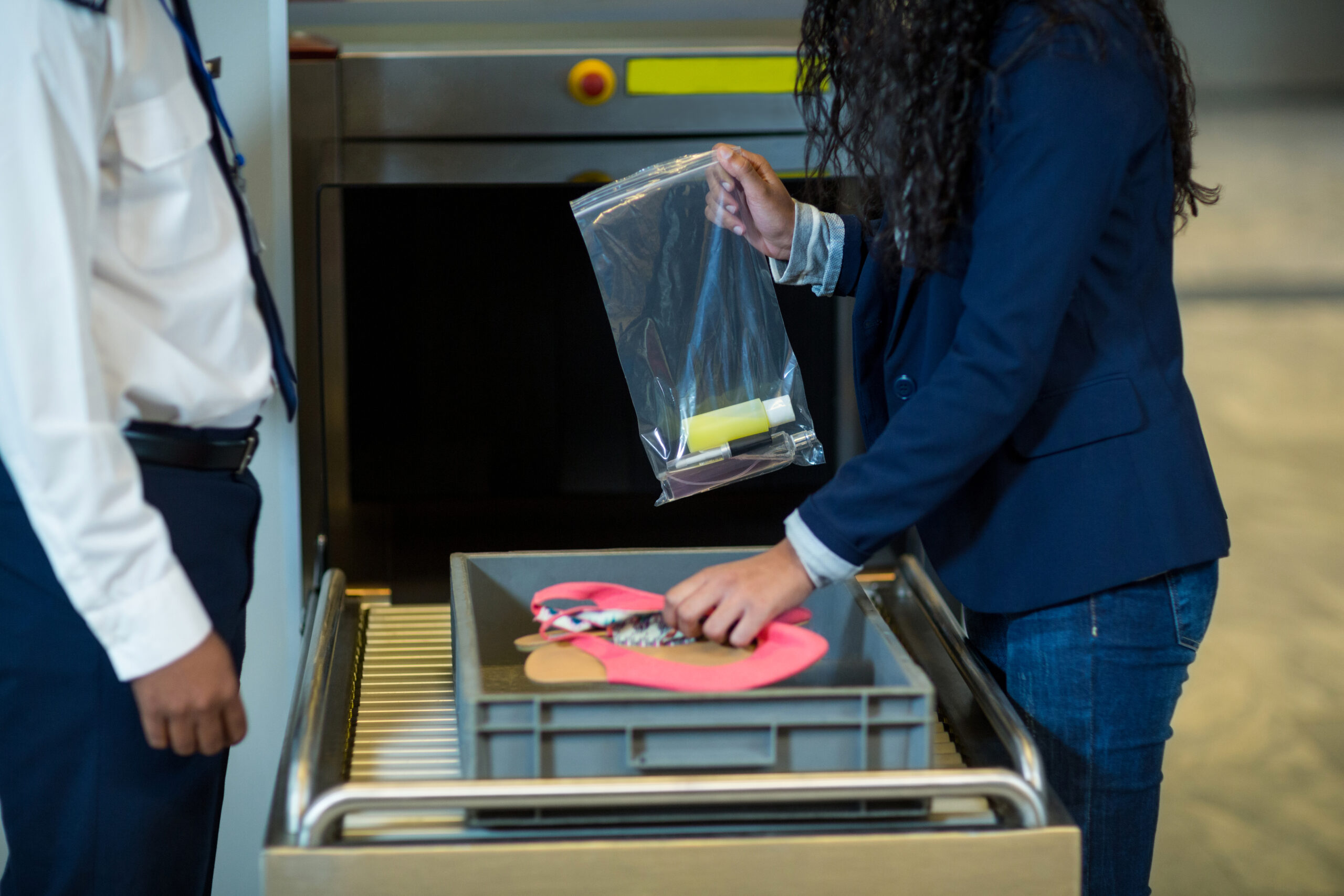
What hasn’t changed: liquids and gels are still capped at 100 milliliters per container, sharp objects remain prohibited, and traditional plug-in hair straighteners and curling irons are still allowed.
The FAA reported nearly 90 battery-related incidents on U.S. flights last year. TSA says removing high-risk beauty gadgets is part of its effort to reduce in-flight fires and keep passengers safe.
The bottom line: while some security procedures are becoming more traveler-friendly, beauty tools that heat, charge, or contain gas are now off-limits in your carry-on. Check before you pack—losing an expensive styling tool at the checkpoint is one beauty sacrifice no one wants to make.
Why These Rules Matter
TSA’s distinction here can feel confusing, but it boils down to fire safety. Power banks and e-cigarettes use lithium batteries, which can overheat and catch fire. That’s why they’re never allowed in checked bags—if a fire starts in the cargo hold, there’s no way to put it out. Smaller batteries are safe enough to keep in your carry-on where crew can respond if needed, but larger power banks cross the line. Vaping devices follow the same logic: you can carry them on, but you can’t use them in-flight. In short—carry your batteries with you, not under the plane, and don’t plan on using them until you land.